 |
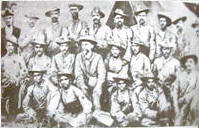
1893 While he was going through many hardships, Gandhi was very much involved in public welfare. During the war between the Boers [Dutch People] and the British, he joined an Indian Ambulance corps to help the people affected in that war. |
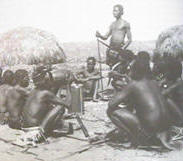 |
Gandhi witnessed the consequences violent act by Zulu warriors. He realized that violence would lead to more violence |
|
Black Act In South Africa, the Indians used to recruited on a five-year contract (like Zulus), on a starvation wages. There were not allowed to leave their employer. Further, a poll-tax of £25 was imposed on them. |
1906 -14: He started nonviolent resistance (“satyagraha”) to protest discrimination against Indians (Black Act). Including Gandhi, thousands of South African Indians were jailed. According to that law, all the Indians (including children) had to be finger printed, Indian marriages were declared to be illegal, and the police could enter private houses without permission of the occupants. At the intervention of Lord Elgin, then "Viceroy of India", the tax was reduced to £3. |
 |
General Jan Christian Smuts, promised to repeal the Black Act if the Indians were registered, but he did not honor the agreement and the Black Act remain in effect. ; |
| The satyagraha was continued, the white railway workers also joined this movement. Gandhi’s philosophy won him a new respect worldwide, and finally 1914 the Black Act was withdrawn | |